
Recycling and recovery
Recycling and recovery
Recovery priced alongside disposal on every stream that supports it. Usually the cheaper line item.
Greer recovers solvents, caustics, acids, fuels value and metals from industrial waste streams that would otherwise be destroyed. Recovery normally costs the generator less than incineration or landfill, and it produces a defensible number for sustainability reporting.
Source: 40 CFR Part 261 Subpart C, and 40 CFR 261.2 on recyclingWhat we recover
Six recovery routes, each suited to a different stream.
Solvent recovery
Distillation returns usable solvent and cuts the volume needing destruction. The most commonly recovered hazardous waste stream there is.
Fuels blending
High BTU organics blended into industrial fuel for cement kilns and permitted burners. Recovery rather than destruction.
Caustic reclamation
Spent caustics returned to service or sold on, rather than neutralized and discharged.
Acid recovery
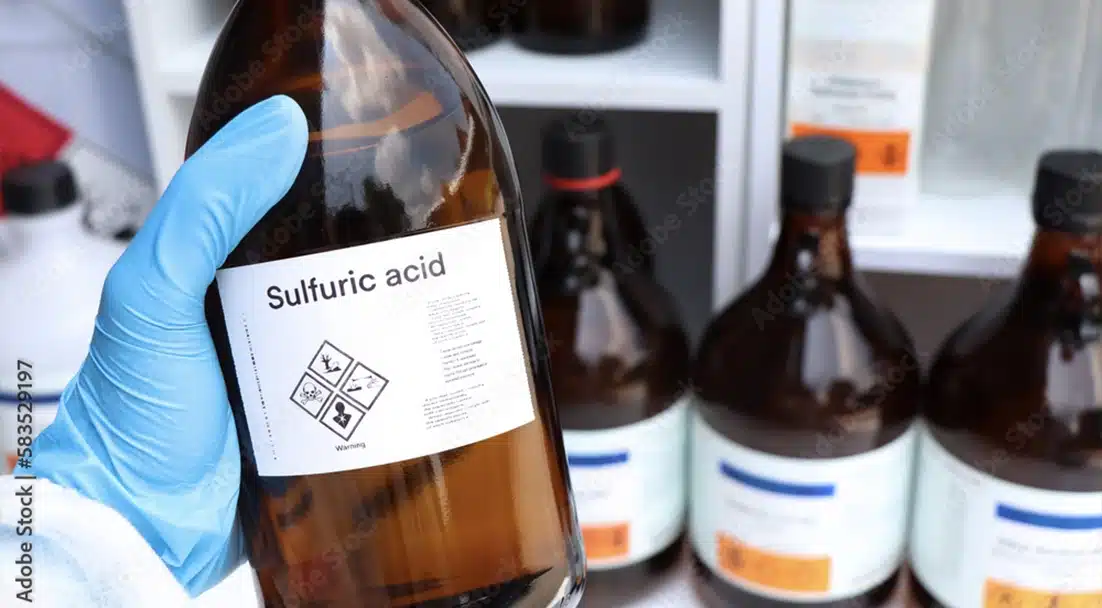
Spent sulfuric and other mineral acids regenerated where concentration and contamination allow.
Metals recovery
High temperature metals recovery from plating sludges, catalyst and dusts. Nickel, chromium, cadmium and precious metals.
Universal waste and used oil
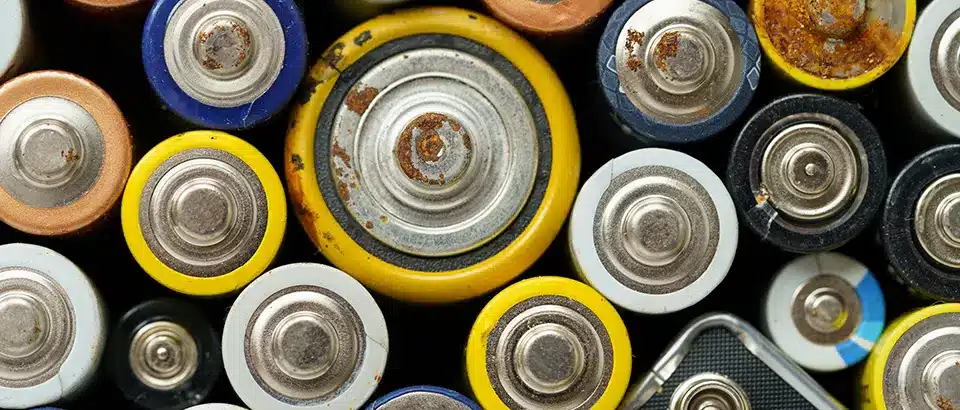
Lamps, batteries, electronics and used oil managed under their own lighter regulatory paths.
Why recovery usually wins on cost
Destruction is priced on volume and energy. Recovery is priced on what comes back. A drum of spent solvent that yields 70 percent usable product has only 30 percent left to destroy, and that arithmetic normally beats incinerating the whole drum.
It also holds up better under scrutiny. A sustainability report that cites tonnes diverted from destruction, with certificates behind it, is a different document from one that cites intentions. We quote both routes so the comparison is yours to make rather than ours to assert.
What recovery does not change
Recovery is a treatment route, not an exemption. The regulatory position is unchanged:
- A listed waste keeps its listing through recovery, under the derived-from rule at 40 CFR 261.3
- Manifests, land disposal restriction notifications and waste codes apply as normal
- Cradle to grave liability stays with the generator
- Still bottoms and recovery residues are newly generated waste and are counted as such
- Speculative accumulation limits apply where material is held for recycling
All recycling services
Common questions
Is recycling cheaper than disposal?
Usually, on streams that support it. The saving comes from volume reduction and from recovered product value. It is not universal, which is why both routes get priced and the comparison is shown rather than claimed.
Does recycling remove the hazardous waste listing?
No. Under the derived-from rule a residue from treating a listed waste keeps the listing. Recovery reduces volume and cost, not regulatory status. The exception is waste listed solely for a characteristic that is removed by the treatment.
Can you recycle a stream you have not seen before?
We characterize it first. Whether a stream is worth recovering depends on concentration, contamination and volume, and those are measurable. Send a profile or a sample and you will get a straight answer, including if the answer is that recovery is not worth it.
Related services

Not sure how this applies to your site?
Send a profile, an old manifest, or photographs of the drums. A technical professional will tell you where you stand.
This page summarizes federal requirements and is not legal advice. State programs can be more stringent than the federal baseline. Verify against current federal and state regulations before acting. Last reviewed September 2026.