
Recycling and recovery
Spent acid recovery
Sulfuric and mineral acid regeneration, and when it beats neutralization.
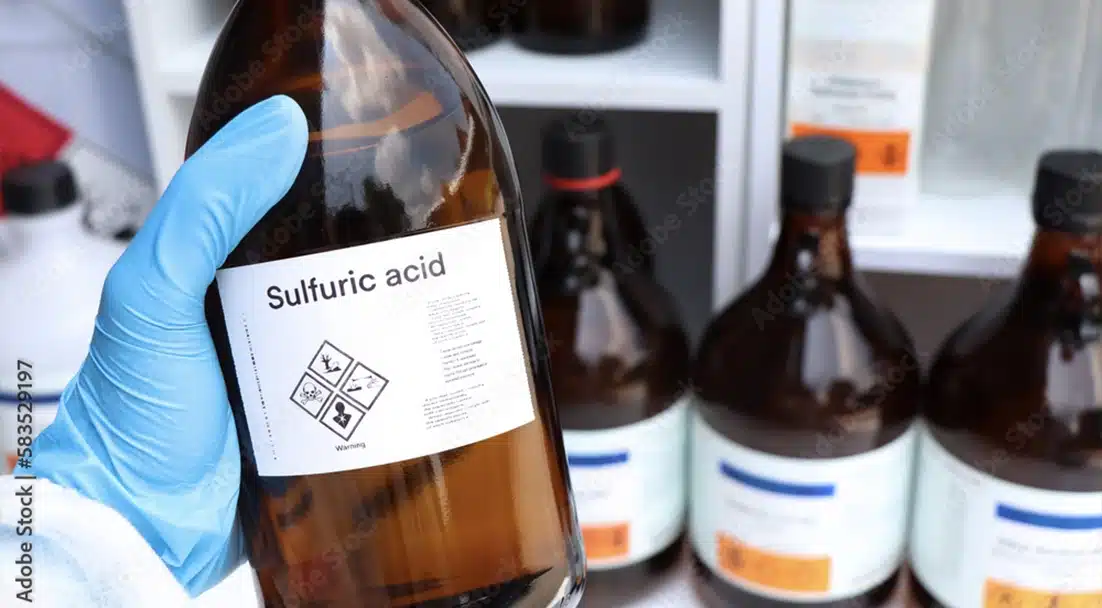
Spent sulfuric and other mineral acids can be regenerated by removing water and contaminants and returning the acid to working concentration. Regeneration suits high volume consistent streams; neutralization suits low volume or heavily contaminated ones.
Source: 40 CFR 261.22 for D002Where spent acid comes from
- Steel pickling and metal surface preparation
- Alkylation units in refining
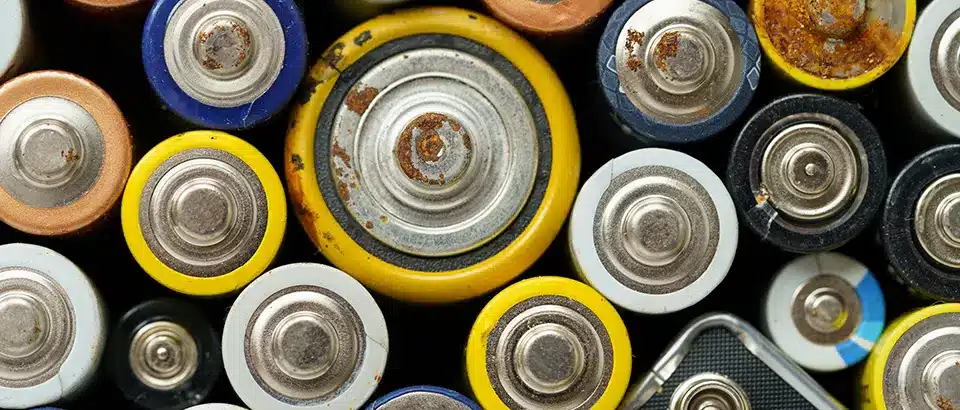
- Battery manufacturing and reclamation
- Chemical synthesis and catalysis
- Semiconductor etching and cleaning
Metal loading is the constraint
Spent pickle liquor carries dissolved iron, and that iron is what ends regeneration. Below a certain loading the acid regenerates cleanly. Above it, the metal has to come out first, and that step usually decides whether the economics work.
Where regeneration is not viable, the metal content can itself be worth recovering. An iron rich pickle liquor is a feedstock for ferric chloride production, which turns a disposal cost into a lower one. The right answer depends on the numbers, so we run them rather than assume.
Common questions
Is spent acid always D002?
If the pH is at or below 2 it is D002 corrosive. Dissolved metals can add toxicity codes, most often D006 cadmium, D007 chromium or D008 lead depending on what was being processed.
Can acid and caustic be neutralized against each other?
In a permitted unit with proper controls, yes, and it is common practice. Doing it in a drum or an uncontrolled tank is dangerous and is treatment without a permit.
What volume makes regeneration worthwhile?
It varies with acid type, concentration and contamination. Send the volumes and an analysis and you will get a straight comparison against neutralization, including if neutralization wins.
Related services

Not sure how this applies to your site?
Send a profile, an old manifest, or photographs of the drums. A technical professional will tell you where you stand.
This page summarizes federal requirements and is not legal advice. State programs can be more stringent than the federal baseline. Verify against current federal and state regulations before acting. Last reviewed September 2026.