
Recycling and recovery
Fuels blending
Energy recovery from high BTU organics, and why it is recovery rather than disposal.
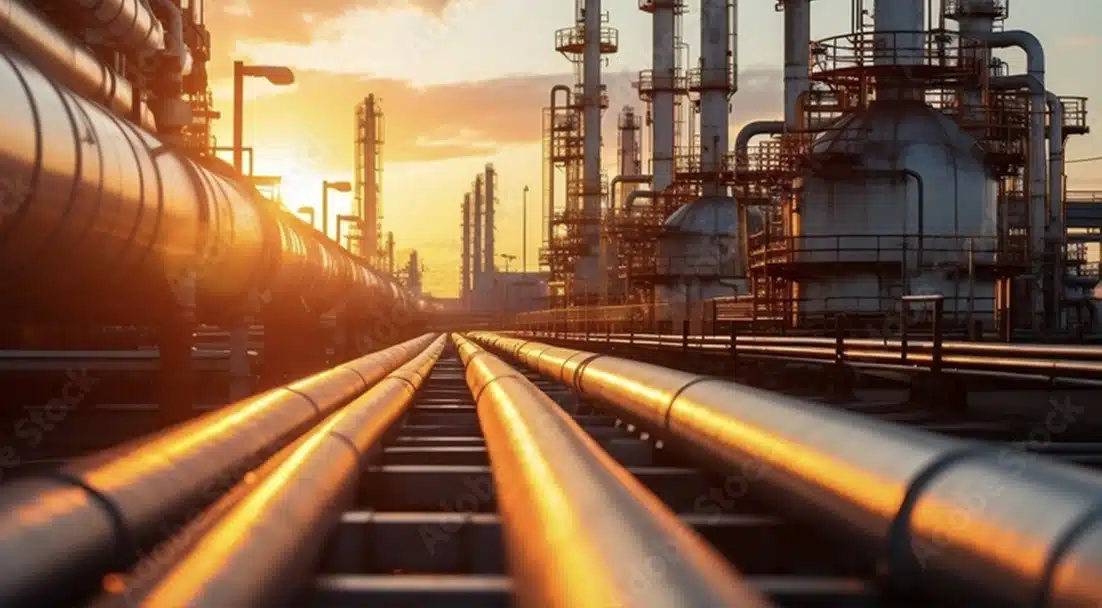
Fuels blending converts high BTU organic waste into an industrial fuel burned in permitted cement kilns and boilers. The energy displaces virgin fossil fuel, which makes it a recovery route rather than destruction, and it is usually cheaper than incineration.
Source: 40 CFR Part 266 Subpart H on hazardous waste burned for energy recoveryAcceptance criteria
A stream has to meet the receiving facility's specification. Typical requirements:
- Minimum heating value, commonly 5,000 to 10,000 BTU per pound
- Chlorine content below a specified limit, because chlorine drives acid gas formation
- Low ash and solids content
- Metals within limits, particularly lead, cadmium, chromium and mercury
- Viscosity and water content within a pumpable range
- No PCBs above regulatory thresholds
Chlorine is the criterion that most often disqualifies an otherwise good stream. Halogenated solvents carry BTU value but the chlorine load usually routes them to incineration instead.
Why cement kilns
A cement kiln runs at around 1,400 C with residence times measured in seconds and an inherently alkaline environment that neutralizes acid gases. That combination destroys organics thoroughly while the mineral content is incorporated into the clinker.
For the generator the practical attraction is price. Fuels blending typically costs less than dedicated incineration because the receiving facility is buying energy rather than selling destruction. For streams that qualify, it is usually the cheapest compliant route available.
Common questions
Is fuels blending really recycling?
It is energy recovery, which EPA regulates under 40 CFR Part 266 Subpart H rather than as disposal. The waste displaces virgin fuel. Whether that satisfies a particular sustainability framework is a separate question worth checking against your own reporting standard.
What disqualifies a stream?
High chlorine content is the most common disqualifier, followed by high metals, high water and high solids. A stream that fails on chlorine usually routes to incineration instead, which costs more but handles it properly.
Does the waste code matter?
Yes. Listed wastes keep their listing and the land disposal restriction treatment standard still has to be met. Burning for energy recovery satisfies the standard for many streams but not all, which is checked before routing.
Related services
Not sure how this applies to your site?
Send a profile, an old manifest, or photographs of the drums. A technical professional will tell you where you stand.
This page summarizes federal requirements and is not legal advice. State programs can be more stringent than the federal baseline. Verify against current federal and state regulations before acting. Last reviewed September 2026.