
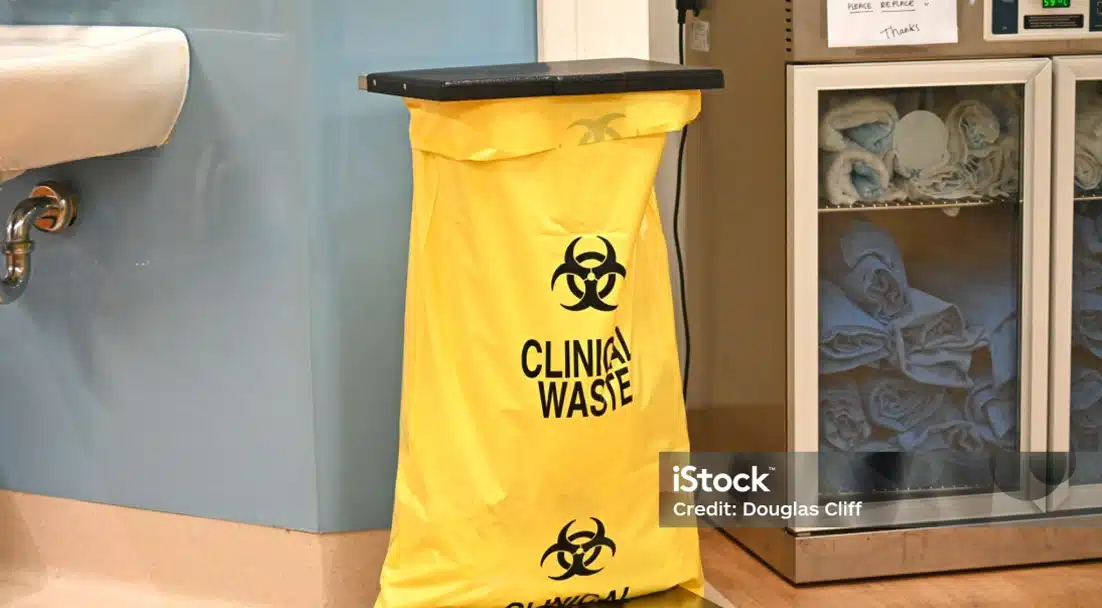
Waste services
RCRA hazardous waste disposal
Characterization, coding, manifesting and treatment for ignitable, corrosive, reactive and toxic waste. Run from Mobile, permitted across eight states.
RCRA hazardous waste is any solid waste that is listed in 40 CFR Part 261 Subpart D or exhibits one of four characteristics: ignitability, corrosivity, reactivity or toxicity. Greer characterizes the stream, assigns the waste codes, manifests the shipment and routes it to a permitted treatment facility.
Source: 40 CFR 261.20 to 261.24, and 261.30 to 261.35What counts as RCRA hazardous waste
Four characteristic codes and four listed-waste series. If your stream carries any of these, it is regulated from the moment it is generated.
| Code | Characteristic | Test or basis | Greer accepts |
|---|---|---|---|
D001 | Ignitable | Flash point below 60 C, or an oxidizer | Yes |
D002 | Corrosive | pH at or below 2, or at or above 12.5 | Yes |
D003 | Reactive | Unstable, water reactive, or generates toxic gas | Case by case |
D004 to D043 | Toxic | TCLP above the regulatory threshold | Yes |
Listed wastes
- F-list, spent solvents and other non specific source waste (40 CFR 261.31)
- K-list, waste from specific industrial processes (40 CFR 261.32)
- P-list, acutely hazardous discarded commercial chemical products (40 CFR 261.33e)
- U-list, toxic discarded commercial chemical products (40 CFR 261.33f)
Not sure which applies? That is the normal starting point. Send a profile, an old manifest, or photographs of the drums and a technical professional will classify it.
How it gets treated
The treatment path is chosen by the stream, not by convenience. It is named on your quote before anything is scheduled.
Incineration
High temperature destruction for organics, listed solvents and streams with no recovery value. Produces a certificate of destruction.
Deep well injection
Class I UIC disposal for aqueous streams that meet the well acceptance criteria. Cost effective at volume.
Fuels blending
Recovery rather than destruction. High BTU organics are blended into an industrial fuel. Usually the cheaper route.
Stabilization and landfill
For inorganic and metal bearing waste that meets land disposal restriction treatment standards.
Wastewater treatment
Permitted treatment for aqueous corrosives and dilute streams, discharged under permit.
Lab pack
Small containers and unknowns segregated by compatibility, packed and shipped for consolidated disposal.
What you receive
Anyone can move a drum. The record is what holds up when an inspector is standing in your yard, so it is the deliverable.
- Signed Uniform Hazardous Waste Manifest, EPA Form 8700-22
- Land Disposal Restriction notification for every regulated stream
- Waste profile sheet with assigned codes and the supporting analysis
- Certificate of destruction or treatment from the receiving facility
- Bill of lading and DOT shipping papers
- Exception report support if a signed copy does not return in 35 days
Records are retained for three years as required by 40 CFR 262.40, and you get copies at each stage rather than on request.
Ask about recovery before you commit to disposal
A stream headed for incineration is sometimes a fuels blending candidate, and a spent caustic is often reclaimable. Recovery generally costs the generator less and gives the sustainability report a real number. We quote both routes where the stream supports it, and we will tell you plainly when burial is the right answer.
See recycling and recoveryCommon questions
How do I know if my waste is RCRA hazardous?
It is hazardous if it appears on the F, K, P or U lists in 40 CFR Part 261 Subpart D, or if it exhibits ignitability, corrosivity, reactivity or toxicity under 40 CFR 261.21 to 261.24. The generator carries the duty to make that determination under 40 CFR 262.11. If you are unsure, sampling settles it and guessing does not.
How long can I accumulate hazardous waste on site?
It depends on generator status. A large quantity generator may accumulate up to 90 days, a small quantity generator up to 180 days, or 270 days if the waste travels more than 200 miles for treatment. Very small quantity generators have no time limit but do have a 1,000 kg on site quantity limit. See 40 CFR 262.16 and 262.17.
Am I still liable once Greer takes the waste?
Yes. RCRA liability is cradle to grave and it stays with the generator. The manifest transfers custody, not responsibility. That is why the receiving facility, the treatment path and the certificate of destruction matter as much as the price per drum.
Can you take unknowns?
Yes. Unlabeled drums and discontinued product are routine. We sample, characterize, assign codes and pack for compatibility. Shipping an unknown under a guessed code is how a load gets rejected and a violation gets written.
What does RCRA disposal cost?
It is priced per stream, not per site, because the driver is the treatment path. Volume, container type, water content, BTU value and distance to the receiving facility all move the number. We quote the stream with the treatment path named, plus the recovery option where one exists.
Related services
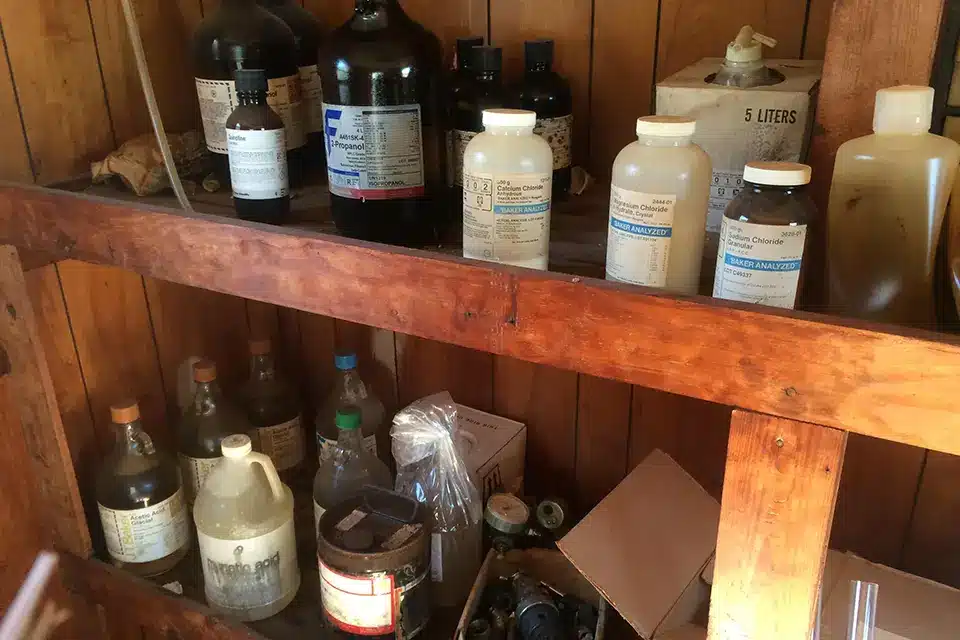

Get this stream priced
Send a profile, an old manifest, or photographs of the drums. A technical professional reviews every request.
This page summarizes federal requirements and is not legal advice. State programs can be more stringent than the federal baseline. Verify against current federal and state regulations before acting. Last reviewed September 2026.