
Waste services
Deep well injection
Class I UIC disposal for aqueous streams, and why it is often the cheapest compliant route at volume.
Deep well injection places liquid waste into a Class I injection well thousands of feet below any underground source of drinking water, isolated by confining rock. It suits high volume aqueous streams and is usually the lowest cost compliant route for them.
Source: 40 CFR Parts 144 through 148, Underground Injection ControlStreams suited to injection
- Aqueous process waste and rinse water
- Spent acids and caustics after neutralization
- Dilute organic aqueous streams
- Wastewater treatment effluent that cannot be discharged
- Contaminated groundwater from remediation projects
- Brines and high salinity process water
Acceptance criteria are strict on solids, viscosity and constituents that could plug the formation or react downhole. Analysis precedes acceptance rather than following it.
Why it is inexpensive at volume
Injection has low marginal cost. Once a well is permitted and operating, the cost of the next thousand gallons is small compared with incinerating or treating them. That is why a stream that would be expensive to destroy can be economical to inject.
Geography decides access. Class I hazardous waste injection capacity is concentrated along the Gulf Coast, particularly in Texas and Louisiana. For generators in our footprint the wells are relatively close, and short haul distance shows in the price.
The regulatory position
- Class I wells are permitted under the Underground Injection Control programme
- Injection zones sit beneath confining layers isolating them from drinking water sources
- Continuous monitoring of pressure, rate and mechanical integrity
- Periodic mechanical integrity testing to demonstrate no fluid migration
- Land disposal restriction standards apply, or a no migration petition must be in place
- Manifested and documented like any other hazardous waste shipment
Common questions
Is deep well injection safe?
Class I wells are among the most heavily monitored disposal units in operation, with continuous pressure monitoring, mechanical integrity testing and injection zones isolated beneath confining formations. The regulatory framework is specifically built around protecting drinking water.
What disqualifies a stream?
High solids, high viscosity, constituents that would plug the formation, and anything that could react adversely downhole. Compatibility with the formation and with other injected fluids is assessed before acceptance.
Is it cheaper than incineration?
For suitable aqueous streams at volume, usually substantially. For organics with real BTU value, fuels blending often wins instead. We price the routes that actually apply to your stream.
Related services
Not sure how this applies to your site?
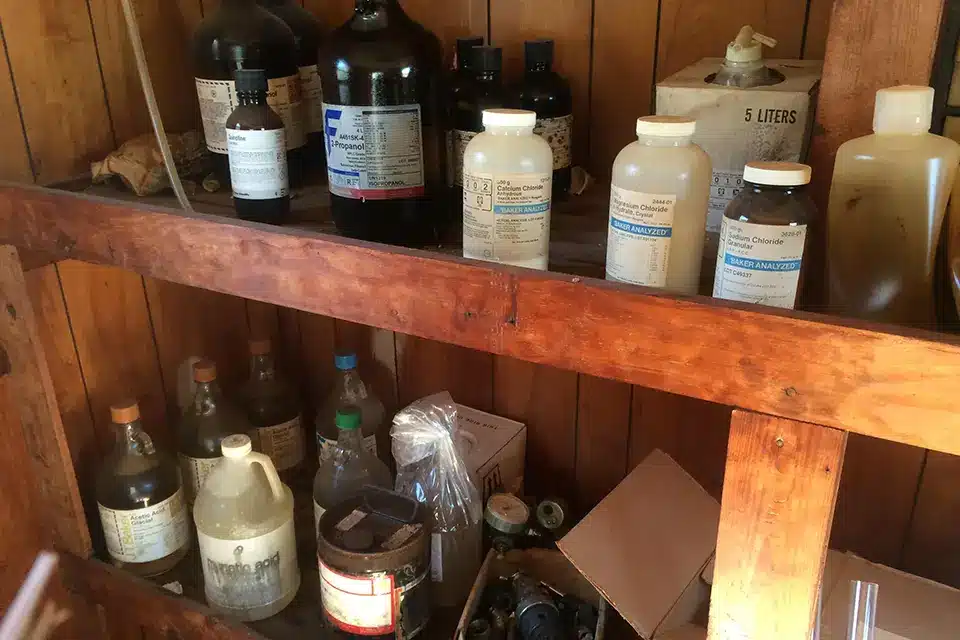
Send a profile, an old manifest, or photographs of the drums. A technical professional will tell you where you stand.
This page summarizes federal requirements and is not legal advice. State programs can be more stringent than the federal baseline. Verify against current federal and state regulations before acting. Last reviewed September 2026.