
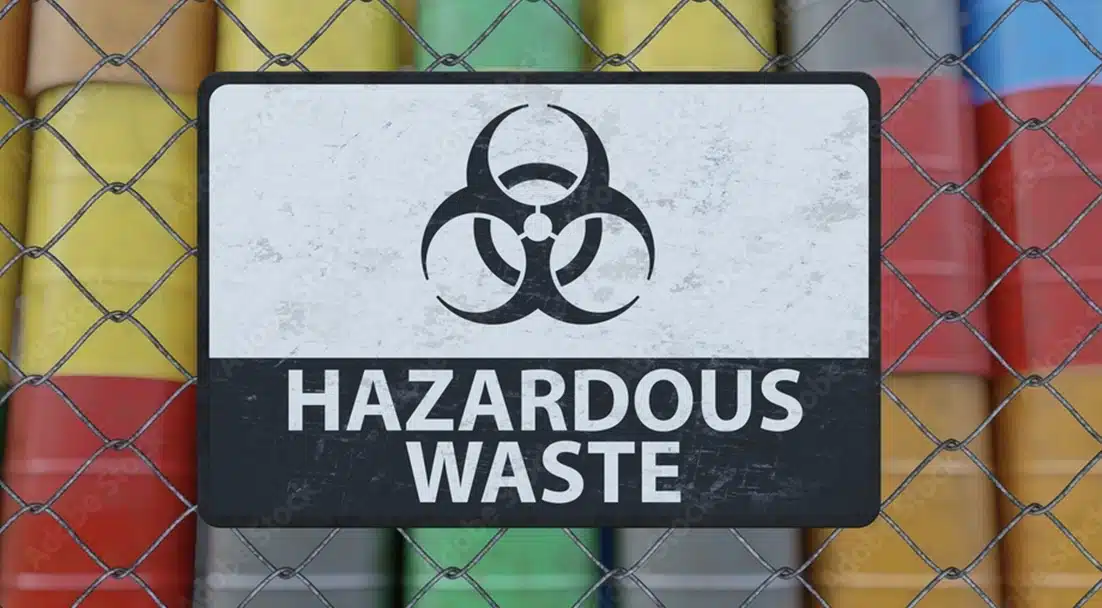
Waste services
Hazardous waste incineration
High temperature destruction for streams with no recovery route.
Hazardous waste incineration destroys organic waste at temperatures above 1,000 C with controlled residence time and air pollution control. It is the route for listed organics, halogenated streams and anything where destruction rather than recovery is required.
Source: 40 CFR Part 264 Subpart O, and Part 63 Subpart EEEStreams routed to incineration
- Halogenated solvents where chlorine content rules out fuels blending
- Listed organics with land disposal restriction standards requiring combustion
- Pesticides, herbicides and deregistered agricultural chemicals
- Pharmaceutical actives and controlled substances
- Lab pack drums with mixed organic contents
- PCB contaminated material under TSCA requirements
Incineration or fuels blending
Both destroy organics thermally. The difference is what the receiving facility is doing. A fuels blender is buying energy and applies a specification. An incinerator is selling destruction and takes what the blender will not.
Chlorine is usually the deciding factor. A halogenated solvent carries BTU value but its chlorine load produces acid gas that a cement kiln cannot accept, so it goes to an incinerator with the scrubbing to handle it. That costs more, and it is the correct route.
What the facility must demonstrate
- Destruction and removal efficiency of at least 99.99 percent for principal organic constituents
- 99.9999 percent for dioxin listed wastes
- Continuous monitoring of temperature, combustion gas and feed rate
- Automatic waste feed cutoff on any parameter excursion
- Emissions standards under the Hazardous Waste Combustor rule
- A permit covering the specific waste codes accepted
Common questions
Why is incineration more expensive?
Because the facility is selling destruction rather than buying fuel, and because the streams routed there are the difficult ones. High chlorine, high water and low BTU all raise the cost of destroying a stream.
What happens to the ash?
Incinerator ash carries the original listings under the derived-from rule and is managed as hazardous waste, typically stabilized and landfilled at a permitted facility.
Can everything be incinerated?
No. Very high metals content, certain reactives and radioactive material are unsuitable. Those streams route elsewhere, and the assessment is made before acceptance.
Related services
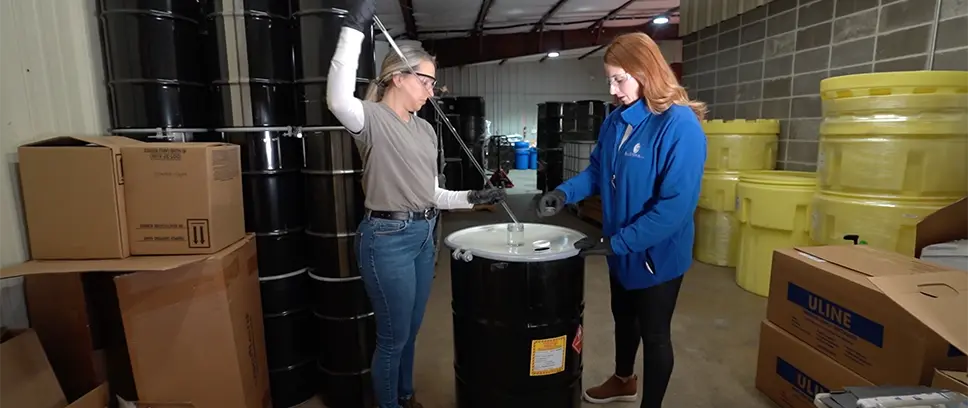
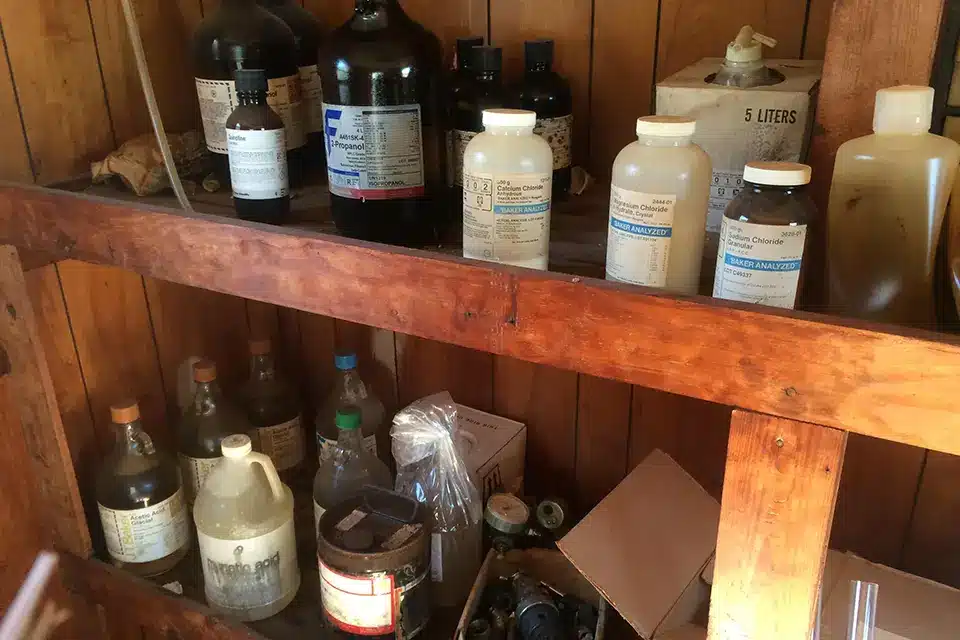
Not sure how this applies to your site?
Send a profile, an old manifest, or photographs of the drums. A technical professional will tell you where you stand.
This page summarizes federal requirements and is not legal advice. State programs can be more stringent than the federal baseline. Verify against current federal and state regulations before acting. Last reviewed September 2026.