
Recycling and recovery
Universal waste
A lighter path for lamps, batteries, mercury devices and certain pesticides.
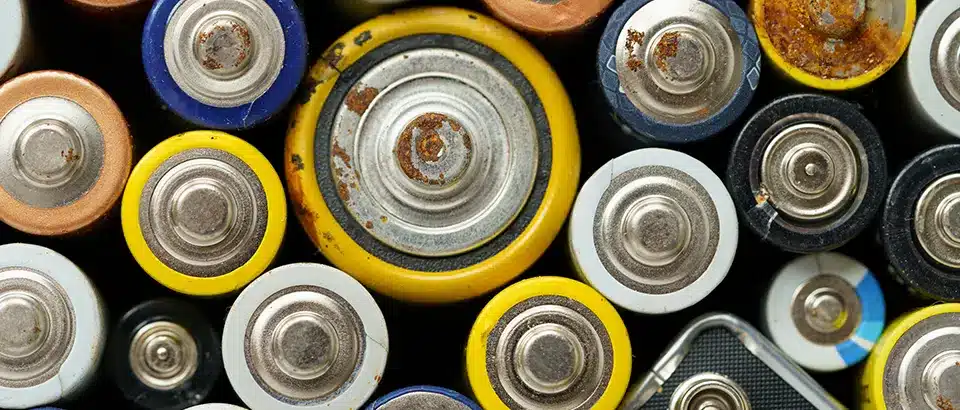
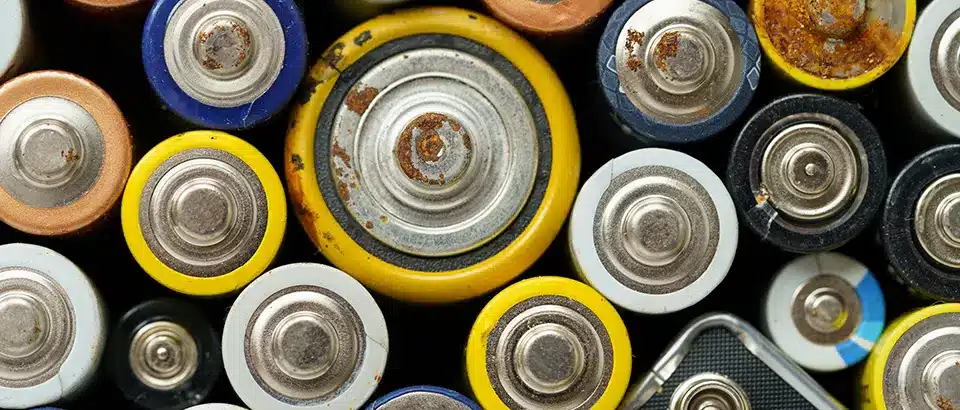
Universal waste is a streamlined regulatory category for widely generated hazardous waste: batteries, pesticides, mercury containing equipment, lamps and aerosol cans. It reduces the paperwork burden and does not count toward generator status.
Source: 40 CFR Part 273What qualifies
- Batteries, including lithium, nickel cadmium and small sealed lead acid
- Pesticides that are recalled or collected in waste pesticide programs
- Mercury containing equipment including thermostats, switches and manometers
- Lamps, including fluorescent, high intensity discharge and neon
- Aerosol cans, added to the federal list in 2019
Handler requirements
Lighter than full hazardous waste management, but not absent:
- Accumulate for no more than one year from the date the waste was generated
- Label containers with the specific waste type, for example Universal Waste Lamps
- Manage to prevent releases, keeping containers closed and structurally sound
- Train employees on proper handling and emergency procedures
- Ship to a destination facility or another handler, with records kept
- No manifest required, though a bill of lading is normal practice
Why it is worth using
Universal waste does not count toward generator status. For a site sitting near a category threshold, moving lamps and batteries into the universal waste system can be the difference between SQG and LQG duties.
It is also simpler operationally. No manifest, a one year accumulation window and lighter recordkeeping. The trade is that the conditions have to be met properly, because a mismanaged universal waste stream falls back into full hazardous waste regulation.
Common questions
Do universal wastes need a manifest?
No. Shipments move on a bill of lading rather than a Uniform Hazardous Waste Manifest. Records of shipments are still kept.
How long can I hold universal waste?
One year from the date the waste was generated or received. The date has to be demonstrable, which usually means marking containers.
Are all batteries universal waste?
Most rechargeable and many primary batteries qualify. Automotive lead acid batteries are usually handled under separate reclamation rules at 40 CFR Part 266 Subpart G instead. Some states differ, so check the state list.
Related services


Not sure how this applies to your site?
Send a profile, an old manifest, or photographs of the drums. A technical professional will tell you where you stand.
This page summarizes federal requirements and is not legal advice. State programs can be more stringent than the federal baseline. Verify against current federal and state regulations before acting. Last reviewed September 2026.