
Tarrant County · Texas service area
Hazardous waste disposal in Fort Worth, TX
Aerospace and energy. Disposal, recycling and transport handled by Certified Hazardous Materials Managers, with the paperwork done right on every load.
Mobile, AL 251-679-1967Tampa, FL 833-670-2200
- Certified Hazardous Materials Managers on staff
- ISO 14001 registered
- Licensed hazardous waste transporter
- Licensed medical waste transporter
- Serving the Southeast since 2001
Greer Enterprises provides hazardous waste disposal, recycling and transport for generators in Fort Worth, TX. We characterize the stream, assign waste codes, manifest the shipment and route it to a permitted facility, under TCEQ and federal RCRA rules.
Serving Fort Worth, TX
Local service for Fort Worth and Tarrant County
Fort Worth builds military aircraft at Lockheed Martin's plant next to Naval Air Station Joint Reserve Base Fort Worth, and it sits over the Barnett Shale gas field. Aerospace sealants and solvents share the local waste profile with oilfield fluids and NORM-bearing scale.
Typical generators in the Fort Worth area: Aerospace manufacturing and defense, oil and gas operations in the Barnett Shale, manufacturing, distribution. That mix decides which waste codes show up and which treatment capacity matters, so a Fort Worth quote is built from your process, not a rate card.
What we handle
Waste streams we see most in Fort Worth
Each stream has its own treatment route. Here is where the ones that come up most often locally actually go.
Aerospace manufacturing solvents and sealants
Booth sludge, waste coatings and resins are usually ignitable (D001) and often carry F-listed solvents. Liquids with fuel value go to fuels blending. Fully cured resin and dried coatings are separated out, since they are often non-hazardous.
Paint and coating wasteOilfield service fluids and NORM bearing scale
Radiological screening comes first. NORM-bearing scale and equipment go to a facility licensed to take them, and the survey results travel with the shipping papers.
NORM waste disposalMetal finishing and plating waste
Plating wastewater sludge is often F006 listed, and spent baths can carry cyanide or hexavalent chromium. Metals are recovered where concentrations justify it; otherwise the waste is stabilized and sent to a permitted landfill.
Plating and metal finishing wasteFleet and equipment maintenance fluids
Used oil, hydraulic fluid and antifreeze are recycled wherever they qualify. Oil that may be mixed with solvent is screened for halogens first, so a contaminated drum does not turn into a hazardous waste surprise after pickup.
Used oil recyclingOne company, every service line
Everything Greer handles in Fort Worth
Most sites generate more than one kind of regulated waste. One company covers all of it, so there is one contact and one set of records.
Hazardous waste
RCRA and non-RCRA waste, lab packs, profiling and manifests, with incineration, fuels blending, stabilization and landfill options.
Waste management servicesMedical waste
Sharps, red bag, pathological and pharmaceutical waste through Bio Med Solutions, Greer's medical waste division. Containers, manifests and proof of destruction included.
Medical waste disposalRecycling
Beneficial reuse for surplus and expired chemicals, petroleum product recycling, and recycling programs for paper, cardboard, plastics, metals and glass.
Recycling servicesTransportation
Roll-off boxes, box trucks, flatbeds, end dumps, dry vans and vacuum trucks. Every Greer vehicle carries real-time fleet monitoring.
Transportation servicesEmergency response
Spill response, on-site containment and time-sensitive dispatch when something goes wrong outside the regular schedule.
Emergency response transportOnline compliance training
An online OSHA compliance program with employee training, SDS management, a safety plan builder and facility self-audits.
Online trainingTexas regulations
The rules that apply to Fort Worth sites
Texas Commission on Environmental Quality (TCEQ) runs the hazardous waste program in Texas through its Waste Permits Division, Industrial and Hazardous Waste Section. EPA has authorized the state program, so 30 Texas Administrative Code Chapter 335 is the rulebook your site is inspected against. It adopts the federal RCRA framework and adds requirements of its own.
Where Texas goes beyond the federal baseline
- Texas uses its own waste classification system with eight digit waste codes in addition to federal EPA codes
- Class 1, Class 2 and Class 3 industrial solid waste classifications apply to non hazardous industrial waste, which the federal program does not regulate
- Texas requires annual waste summaries and notification of waste streams, which is broader than the federal baseline
- The state hosts extensive commercial treatment capacity including Class I injection wells and commercial incineration
How it works
From first call to closed record in Fort Worth
North Texas, consolidated with Dallas routing.
Tell us what you have
Send an SDS, an old manifest, a process description or photos of the containers. A technical professional reviews it, not a call center.
Characterize and profile
Process knowledge, backed by lab analysis where it is needed, sets the federal and Texas waste codes and builds the waste profile.
Name the treatment path
Before anything is scheduled you see where each stream is going and why: recovery, fuels blending, incineration, stabilization or injection.
Package and label
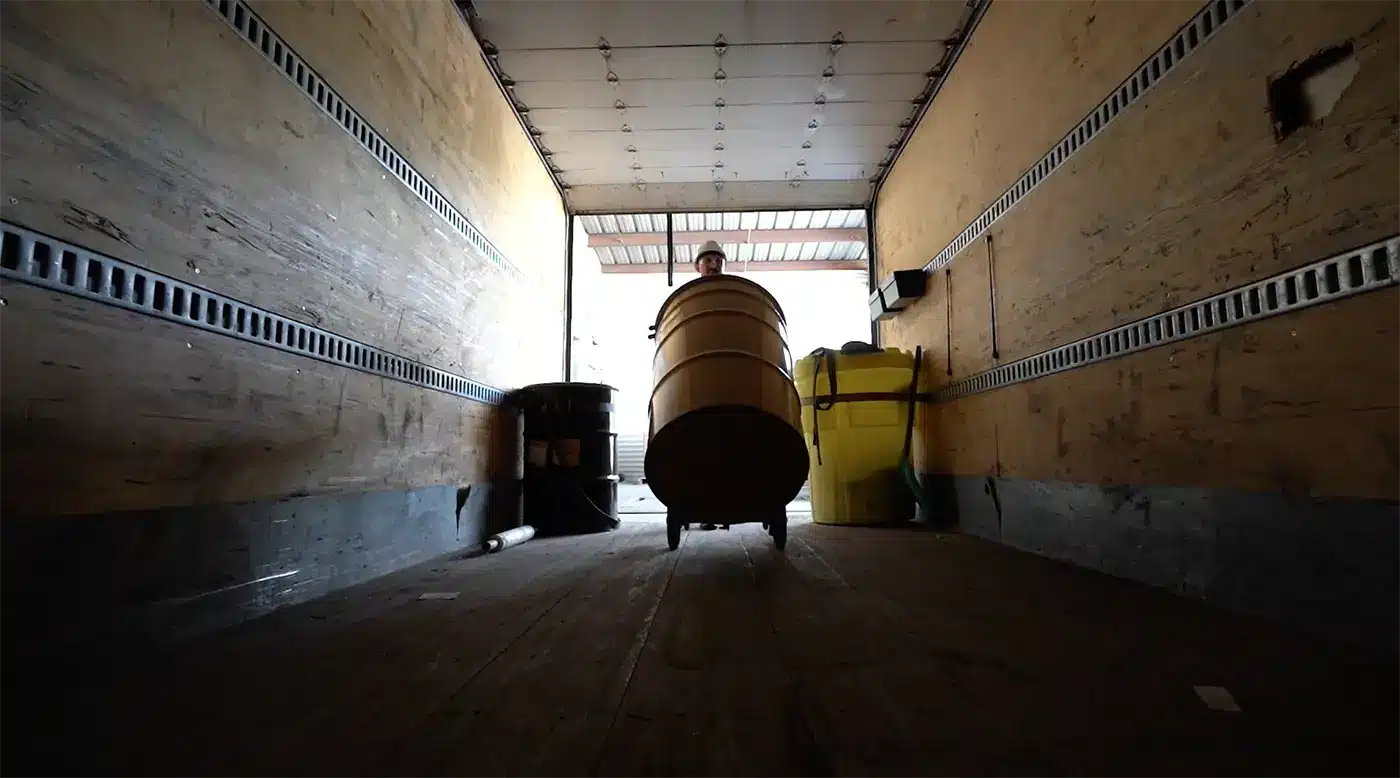
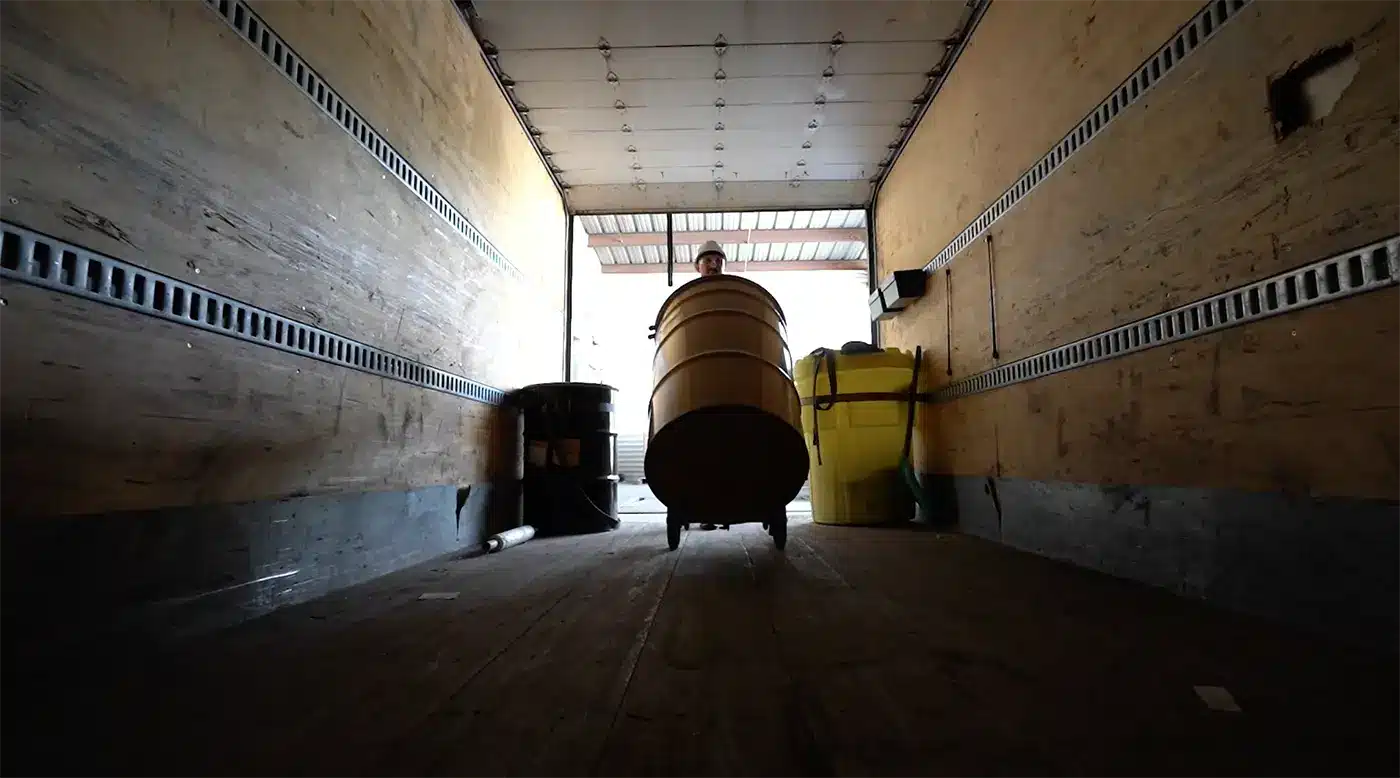
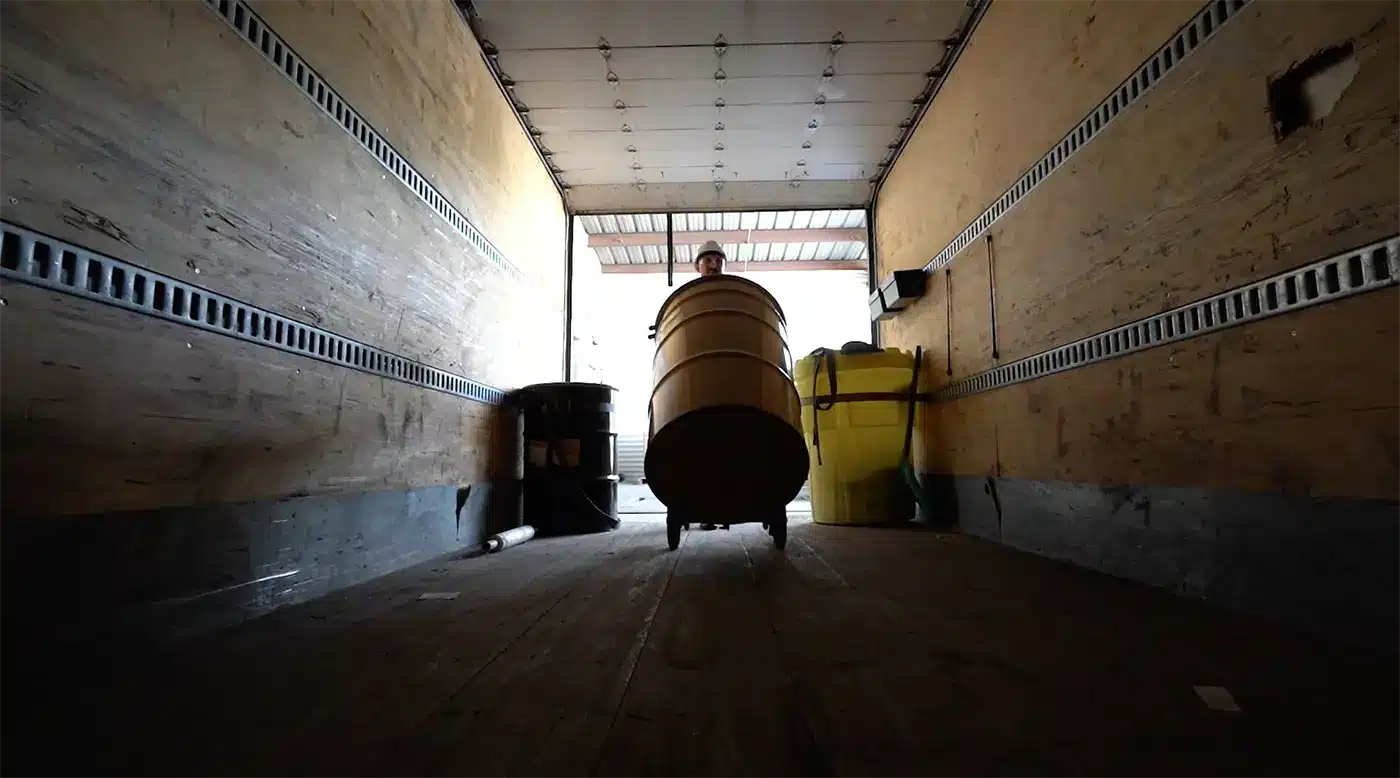
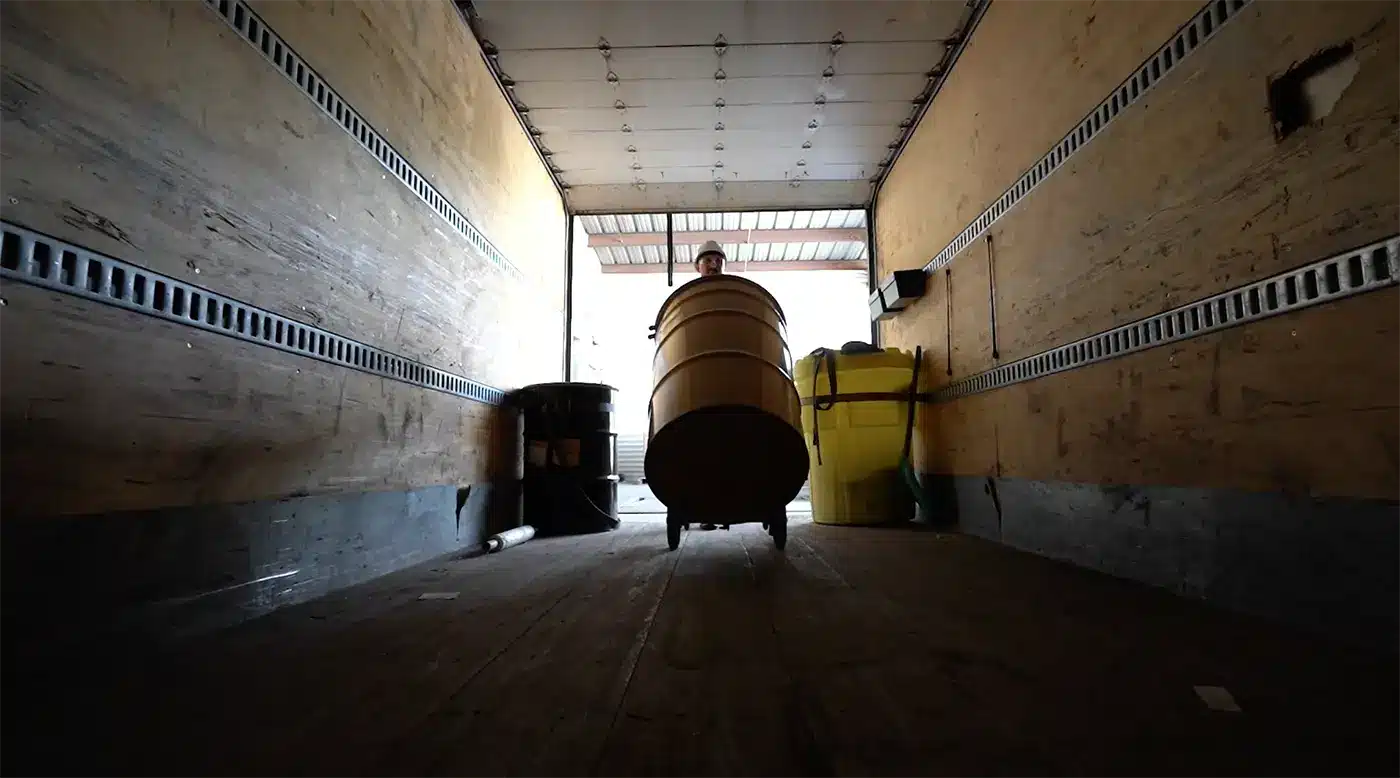
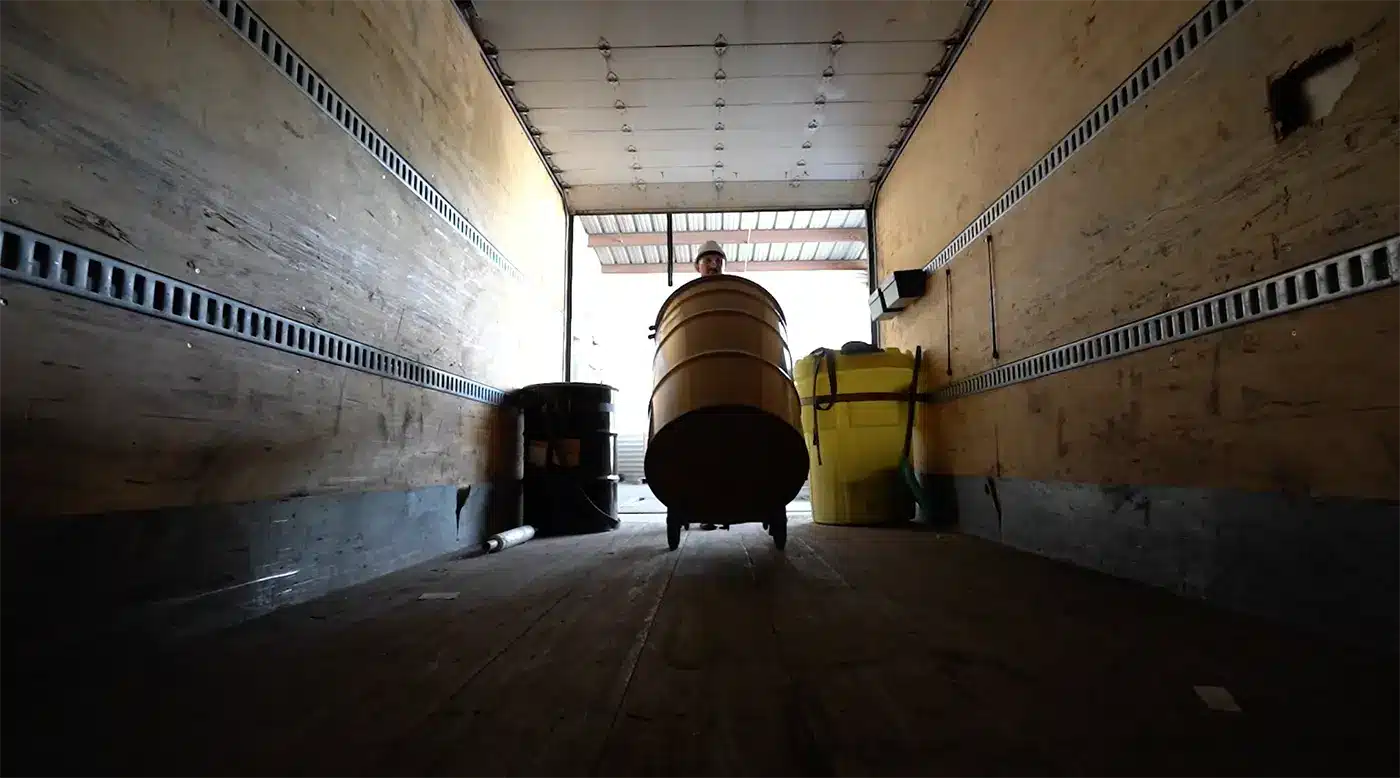
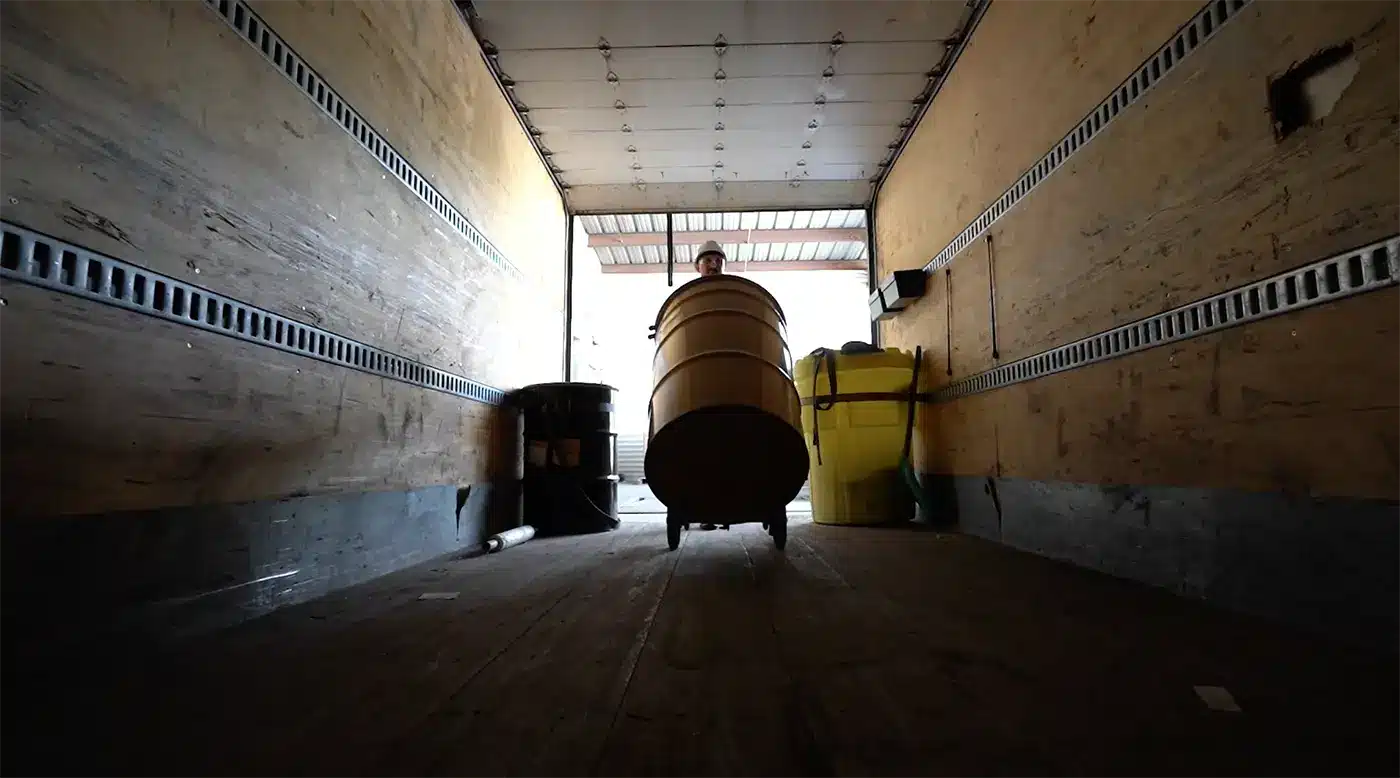
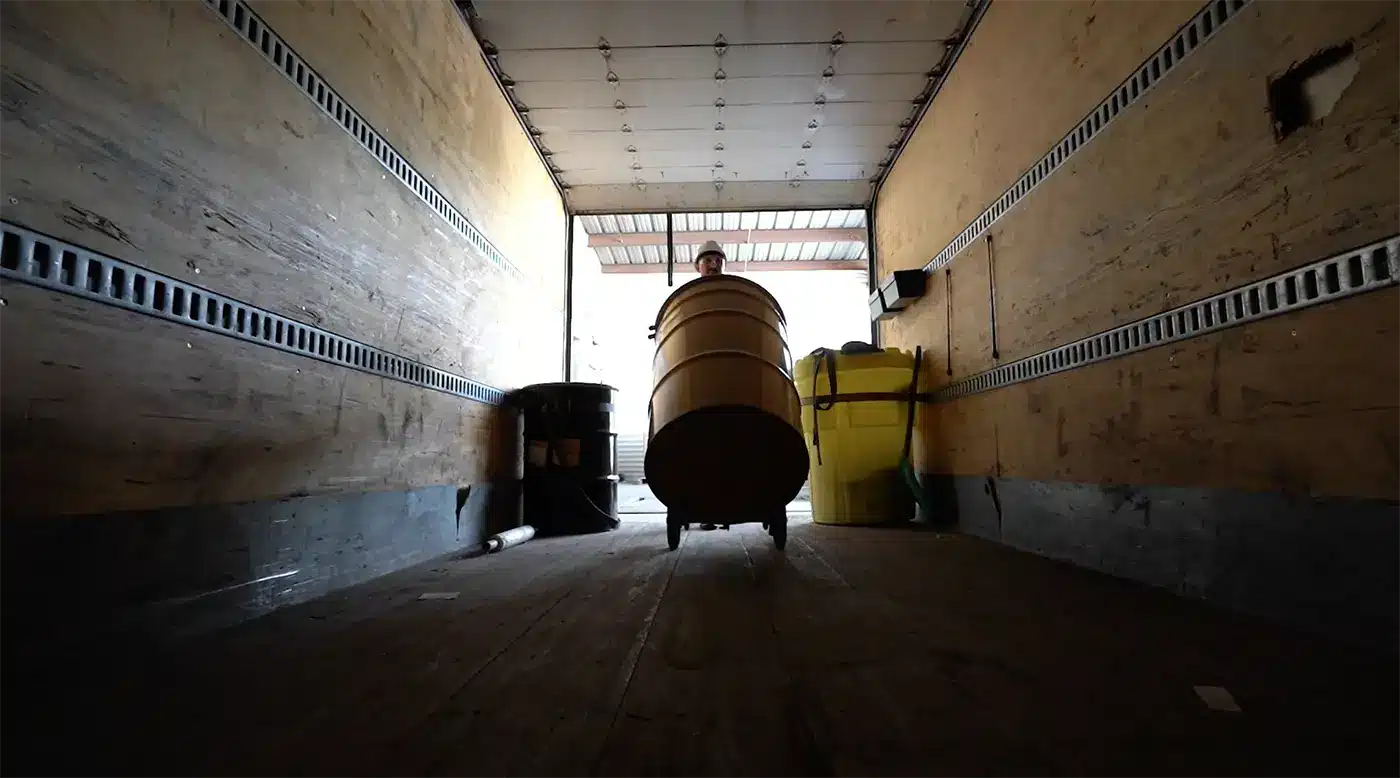
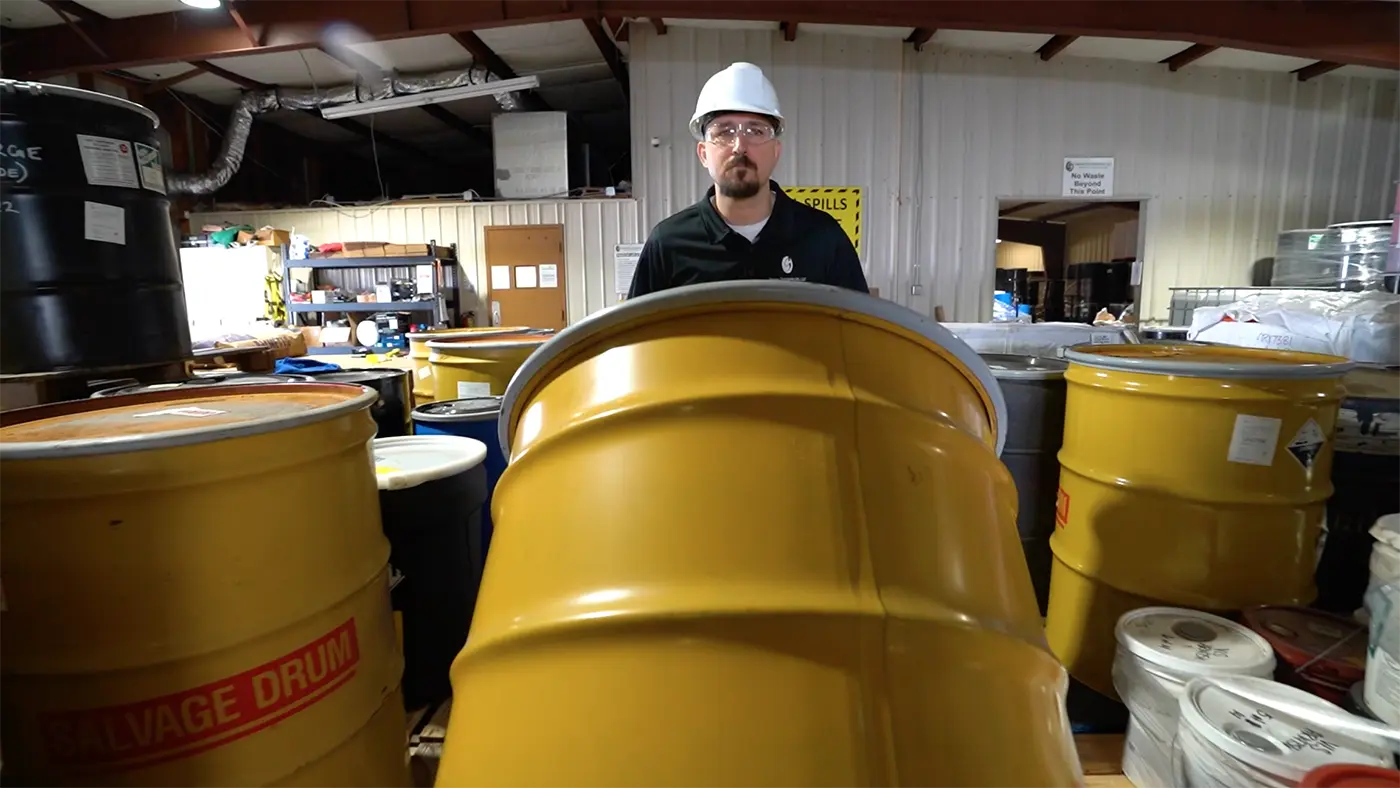
Containers, labels and markings meet DOT and RCRA rules. Our crews can pack on site, including lab packs and unknowns.
Pickup and transport
Greer's licensed transport carries the load under a signed manifest, with the right placards and shipping papers for every hazard class.
Close the record
The signed manifest comes back from the receiving facility, followed by the certificate of treatment. Your file is ready for TCEQ.
Generator status
What your generator category means in Fort Worth
Your obligations depend on how much hazardous waste the site generates in a calendar month. Most of the cost and paperwork follows from this one number.
Very small quantity generator
100 kg or less a month, and no more than 1 kg of acute hazardous waste. The lightest rules, but the waste still has to reach a facility authorized to take it.
VSQG requirementsSmall quantity generator
More than 100 kg and less than 1,000 kg a month. Up to 180 days on site (270 if the nearest treatment facility is over 200 miles away), and re-notification every four years.
SQG requirementsLarge quantity generator
1,000 kg or more a month, or over 1 kg of acute hazardous waste. A 90-day accumulation limit, a contingency plan, annual training records and periodic reporting.
LQG requirementsAn episodic event such as a cleanout or a turnaround can push a site into a higher category for a month. Tell us before it happens and we will plan the paperwork with you.
The paperwork
What every Fort Worth shipment leaves behind
The record is the deliverable. Every shipment produces:
- Signed Uniform Hazardous Waste Manifest, EPA Form 8700-22
- Land disposal restriction notification for every regulated stream
- Waste profile with assigned codes and the supporting basis
- Certificate of destruction or treatment from the receiving facility
- Documentation that holds up to a TCEQ inspection
Keep these for at least three years. Manifests, LDR notices and test results are the first things an inspector asks for, and the retention clock is extended while an enforcement action is open.
Industries
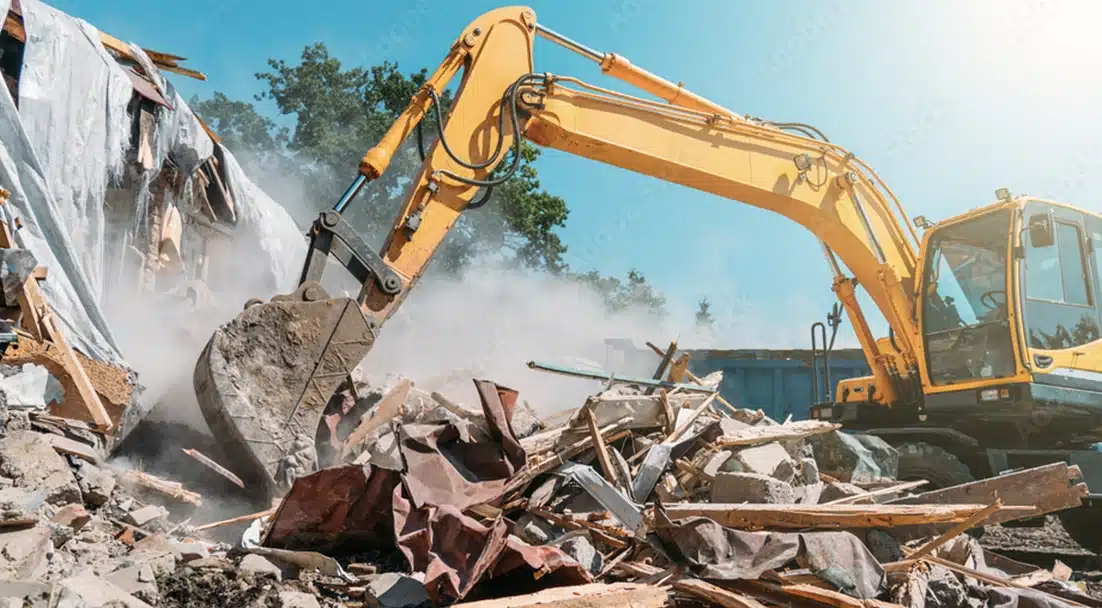
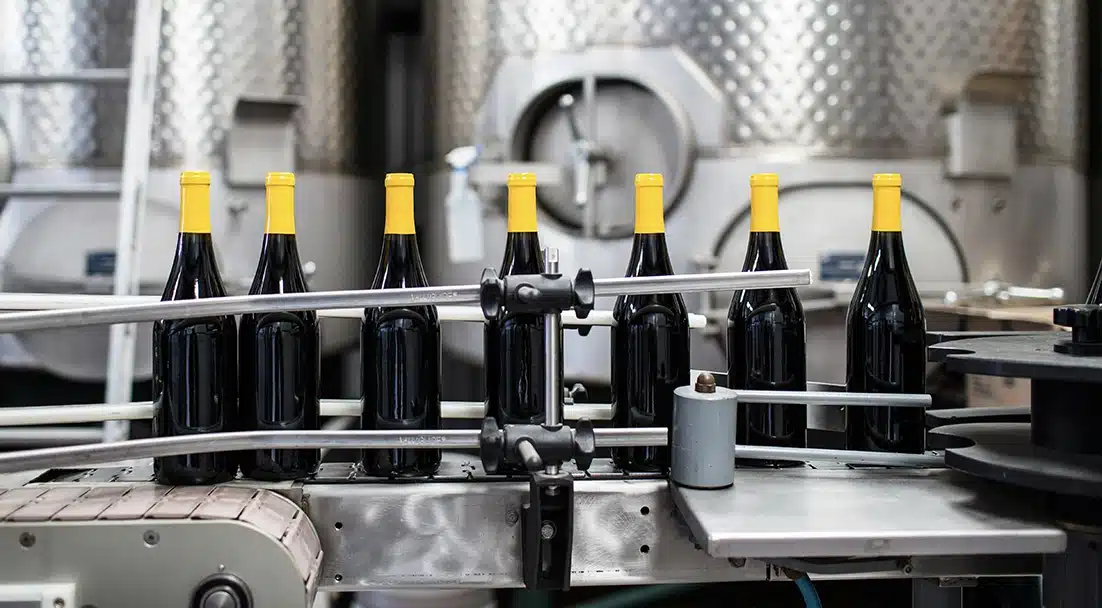
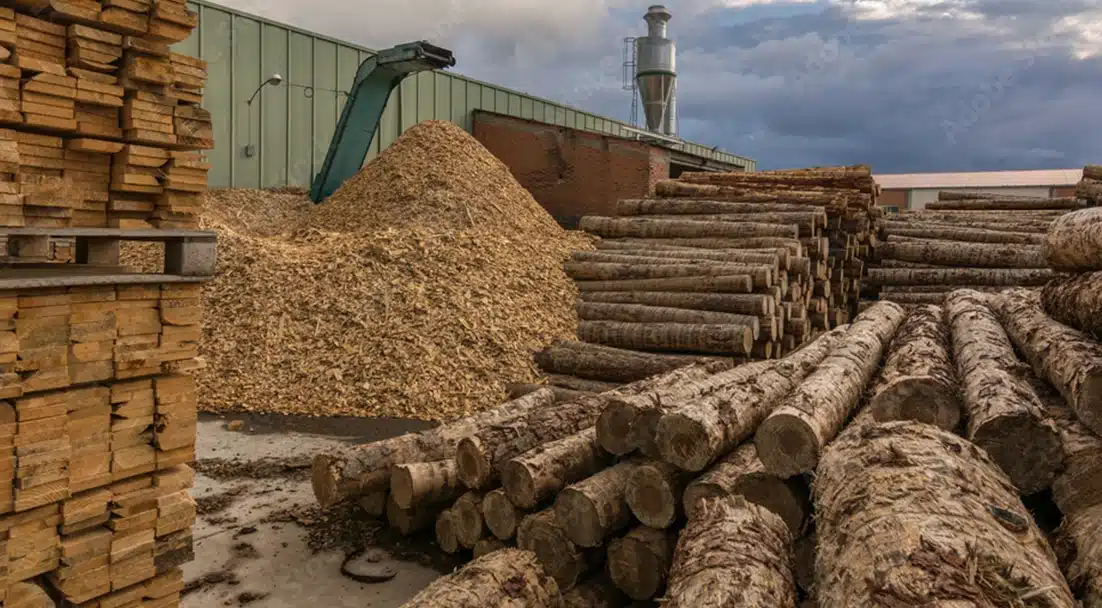
Industries we serve in Fort Worth
Sector pages with the streams, codes and treatment routes for each:

Straight answers
Fort Worth questions
Do you actually service Fort Worth?
Yes. North Texas, consolidated with Dallas routing. Greer holds hazardous waste transporter authorization in Texas and has operated across the Southeast since 2001.
Which agency regulates my Fort Worth site?
Texas Commission on Environmental Quality, through the Waste Permits Division, Industrial and Hazardous Waste Section. Texas is authorized by EPA to run the RCRA program, so state rules at 30 Texas Administrative Code Chapter 335 apply in place of the federal regulations.
How is a quote put together?
Per stream, not per site. Volume, container type, water content, BTU value and the distance to the receiving facility all move the number. You get the treatment path named, plus the recovery option where one exists.
We only generate a few drums a year. Is Fort Worth still worth a stop?
Yes. Small and very small quantity generators are scheduled onto consolidated routes, so a few drums share a truck instead of paying for a dedicated run.
Can one company take our hazardous and medical waste?
Yes. Greer is a licensed hazardous waste and medical waste transporter, and medical waste runs through Bio Med Solutions, our medical division. The two travel on separate paperwork, as the rules require, but you deal with one company.
What if something spills or goes wrong at our Fort Worth site?
Call. An urgent situation is a phone call to a technical professional, not a ticket in a queue. We will tell you what to do first and what we can send.
Get started
Get a price for your Fort Worth site
Send a profile, an old manifest, or photographs of the drums. A technical professional reviews every request.
Service availability and routing are described in general terms. Confirm current coverage and scheduling for your site when you request pricing. Last reviewed September 2026.