
Florida compliance
Florida hazardous waste reporting deadlines
Biennial reports, state reporting and the fee cycle FDEP runs.
Large quantity generators in Florida file a biennial report by March 1 of every even numbered year covering the previous calendar year. FDEP also administers state specific reporting and fees, and records are retained for at least three years.
Source: 40 CFR 262.41, and Florida Administrative Code Chapter 62-730The reporting calendar
What is due and when:
- Biennial report, due March 1 of even numbered years, covering the prior calendar year
- Required of any site that was an LQG in any single month of the reporting year
- State reporting and fees on the schedule FDEP sets
- Exception reports within the applicable window when a manifest copy does not return
- Re notification on the cycle the state requires
- Records of determinations, manifests and training retained at least three years
Florida specific points
- Florida has no commercial hazardous waste landfill, so nearly all hazardous waste leaves the state for treatment
- The state runs a verification program in which county programs conduct many generator inspections under contract to FDEP
- Used oil is regulated under a dedicated state program with registration requirements for handlers
Reporting frequency and fee structures are among the most common areas where an authorized state exceeds the federal baseline. Confirm the current schedule with the agency rather than relying on the federal cycle alone.
Common questions
Do I file a biennial report if I was only an LQG for one month?
Yes. A site that was a large quantity generator in any single month of the reporting year files for that year. This catches sites that had one heavy month during a project or a cleanout.
What if I file late?
Late filing is a violation and is straightforward for a regulator to identify, because the absence of a report is visible in the system. File late rather than not at all, and expect the gap to be noticed.
How long do records have to be kept?
At least three years under 40 CFR 262.40 for manifests, determinations, reports and training records. The period extends automatically during an enforcement action. Many generators keep them longer, because the liability outlasts the retention period.
Related services
Generating hazardous waste in Florida?
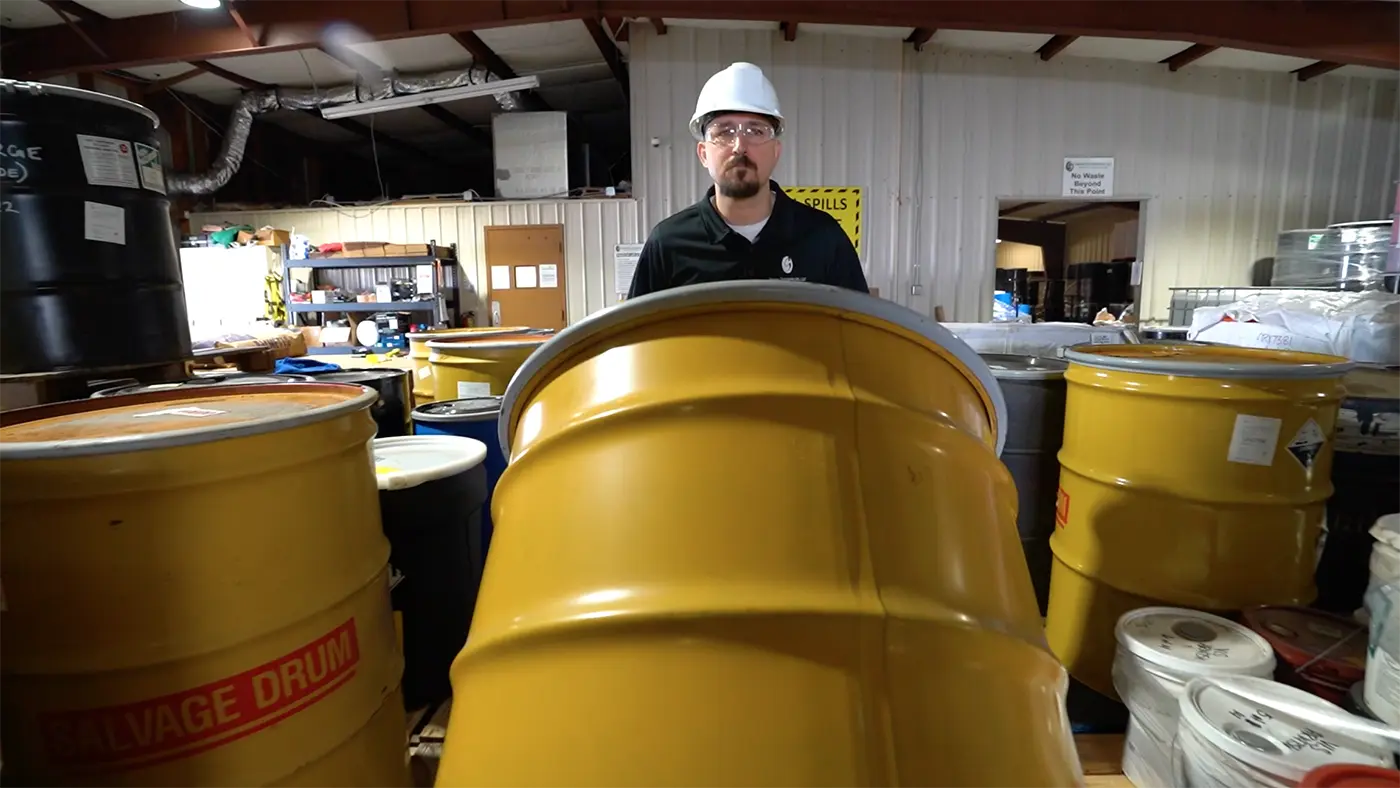
Send a profile, an old manifest, or photographs of the drums. A technical professional will tell you what applies and what it costs.
This page summarizes state and federal requirements and is not legal advice. State rules change. Verify against the current version of the state code and with the state agency before acting. Last reviewed September 2026.