
Waste services
Pharmaceutical waste disposal
Subpart P, controlled substances, and the sewering ban.
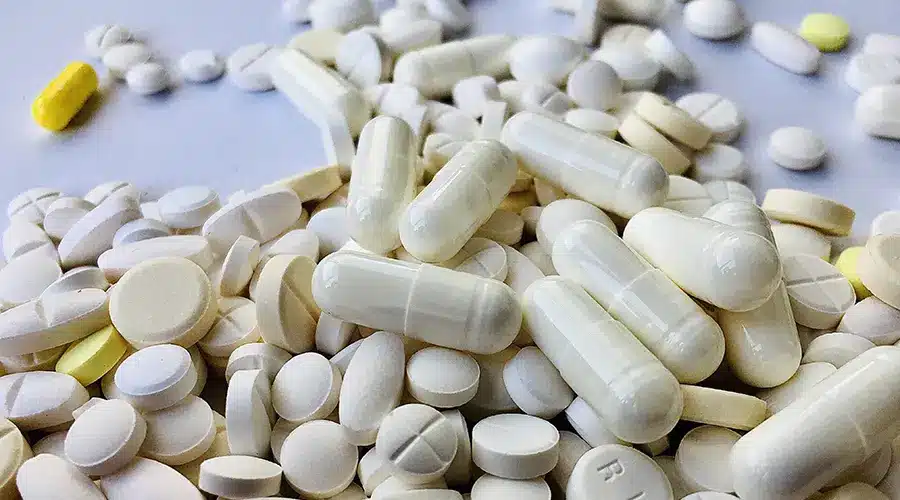
Healthcare facilities and reverse distributors manage hazardous waste pharmaceuticals under 40 CFR Part 266 Subpart P, which replaced the general generator standards for these facilities in 2019 and prohibits sewering hazardous waste pharmaceuticals entirely.
Source: 40 CFR Part 266 Subpart PWhat Subpart P changed
For healthcare facilities and reverse distributors:
- Sewering hazardous waste pharmaceuticals is prohibited outright, with no exceptions
- Hazardous waste pharmaceuticals no longer count toward generator status
- FDA approved over the counter nicotine replacement therapies are excluded from the P075 listing
- Non creditable hazardous waste pharmaceuticals ship under specific requirements
- Potentially creditable pharmaceuticals may go to a reverse distributor
- One year accumulation limit for non creditable hazardous waste pharmaceuticals
The sewering ban is absolute. It applies to all hazardous waste pharmaceuticals at healthcare facilities regardless of quantity or concentration.
Common hazardous waste pharmaceuticals
- Warfarin above 0.3 percent, P001
- Nicotine and salts, P075, excluding FDA approved OTC cessation products
- Epinephrine in certain forms, P042
- Chemotherapy agents including cyclophosphamide, U058
- Lindane, U129
- Items failing characteristics, particularly D001 ignitable alcohol based preparations
Controlled substances sit under DEA as well
Controlled substances are regulated by DEA alongside any RCRA requirements. Disposal must render them non retrievable, and DEA registrant requirements for witnessing, documentation and reverse distribution apply on top of waste regulations.
Where a controlled substance is also a hazardous waste, both regimes apply simultaneously. Neither one excuses the other, and the practical answer is usually a route that satisfies both rather than choosing between them.
Common questions
Can any pharmaceutical go down the drain?
Hazardous waste pharmaceuticals at healthcare facilities cannot, ever, under Subpart P. Non hazardous pharmaceuticals are governed by sewer authority pretreatment limits and increasingly restricted as well.
Do pharmaceuticals count toward generator status?
Not for healthcare facilities operating under Subpart P. That was one of the practical benefits of the rule, since P-listed items previously pushed facilities into LQG status over the 1 kg acute threshold.
What about chemotherapy waste?
Bulk chemotherapy waste that is RCRA hazardous is managed accordingly. Trace contaminated items follow a separate path in most states, and the distinction between bulk and trace matters to the cost.
Related services
Not sure how this applies to your site?
Send a profile, an old manifest, or photographs of the drums. A technical professional will tell you where you stand.
This page summarizes federal requirements and is not legal advice. State programs can be more stringent than the federal baseline. Verify against current federal and state regulations before acting. Last reviewed September 2026.