
Waste services
Electronic waste disposal
Data destruction first, then recovery, then disposal for what is left.
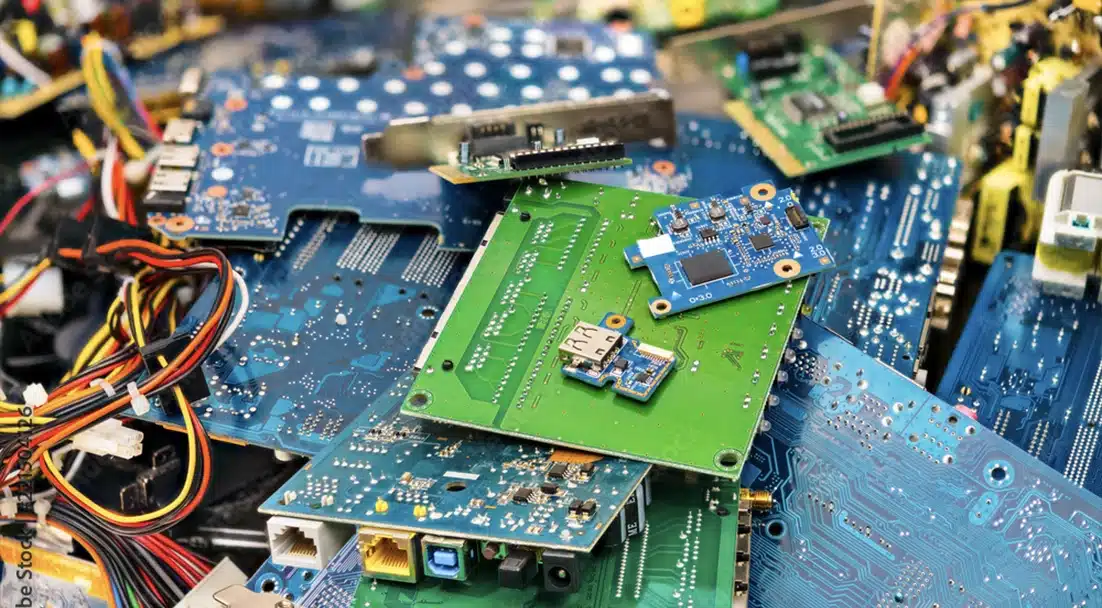
Electronic waste is collected, inventoried, data destroyed, then processed for recovery of precious and base metals. Regulatory treatment varies: some equipment qualifies for the scrap metal exclusion, some is universal waste, and several states regulate it separately.
Source: 40 CFR 261.4(a)(13), 40 CFR 261.4(a)(14) for circuit boards, and Part 273The sequence
Data first, because that is the exposure most organizations actually care about:
- Serialized inventory at collection
- Chain of custody documented from collection through processing
- Physical destruction or certified wiping to a documented standard
- Certificate of data destruction issued per item or per lot
- Separation for recovery: boards, metals, plastics, batteries
- Certificate of recycling covering final disposition
One pallet, three regulatory categories
Whole devices sent for reclamation can fall under the scrap metal exclusion. Circuit boards have their own conditional exclusion. Batteries are universal waste. CRTs have separate rules again, and several states regulate electronics more tightly than the federal programme does.
A mixed pallet from an office clearout can span all of these. Sorting at collection rather than at the processor is what keeps the documentation coherent, and it is easier to do at the point where someone knows what the equipment is.
Common questions
Is e-waste hazardous?
It depends on the item. Circuit boards can fail for lead, CRTs for lead, batteries for cadmium or mercury. Exclusions apply when material genuinely goes for reclamation, and state rules frequently exceed federal.
How is data handled?
Certified destruction or wiping before any processing, with certificates issued and chain of custody maintained. For regulated industries this is usually the deciding factor in vendor choice.
Do batteries go with the equipment?
They are removed and routed separately. Lithium batteries in particular are a fire risk in bulk handling and are packed with terminals protected.
Related services

Not sure how this applies to your site?
Send a profile, an old manifest, or photographs of the drums. A technical professional will tell you where you stand.
This page summarizes federal requirements and is not legal advice. State programs can be more stringent than the federal baseline. Verify against current federal and state regulations before acting. Last reviewed September 2026.