
Industries
Hazardous waste disposal for transportation and fleet
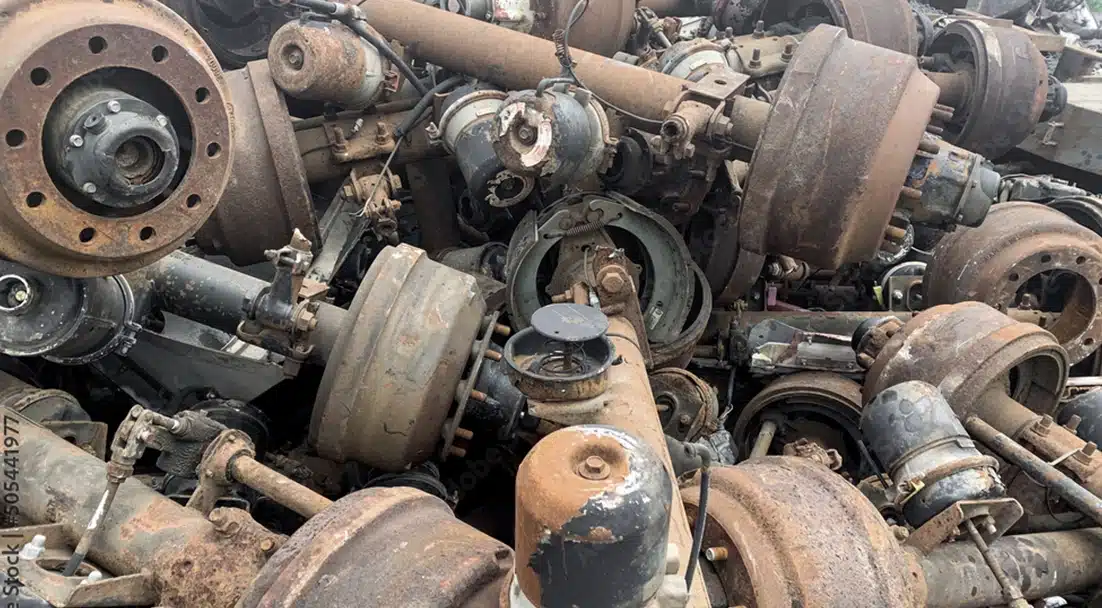
Trucking, rail, transit, aviation ground operations and fleet maintenance.
Greer Enterprises handles hazardous and industrial waste for transportation and fleet across eight Southeast states. We characterize the stream, assign waste codes, manifest the shipment and route it to a permitted facility, with the treatment path named before anything is scheduled.
Source: 40 CFR Parts 260 through 268What transportation and fleet generates
The streams we see most often in this sector:
- Used oil, hydraulic and transmission fluid
- Parts washer solvent and degreasers
- Antifreeze and coolant
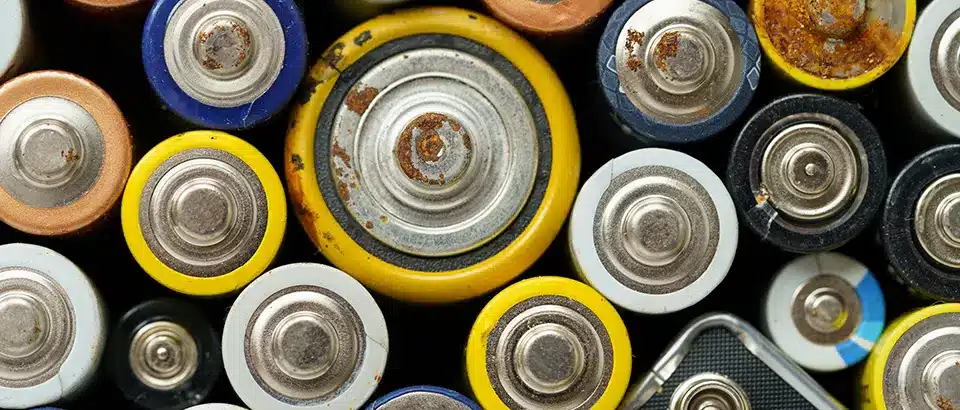
- Batteries, lead acid and lithium
- Fuel filters, absorbents and shop rags
- Aerosols and maintenance chemicals
What matters in this sector
Fleet operations generate steady predictable streams, most of which sit outside full hazardous waste regulation if managed properly. Keeping used oil clean is the single most valuable discipline, because one drum of solvent in the tank turns a routine collection into a hazardous waste shipment.
Services that apply
- Used oil collection under Part 279
- Parts washer service and solvent recovery
- Battery and universal waste collection
- Antifreeze recycling
What every shipment produces
- Signed Uniform Hazardous Waste Manifest, EPA Form 8700-22
- Land disposal restriction notification per regulated stream
- Waste profile with assigned codes and supporting basis
- Certificate of destruction or treatment from the receiving facility
- Documentation that holds up on inspection
Common questions
Do you work with transportation and fleet sites specifically?
Fleet operations generate steady predictable streams, most of which sit outside full hazardous waste regulation if managed properly. Greer has served industry across the Southeast since 2001, with Certified Hazardous Materials Managers on staff.
How is a quote built?
Per stream rather than per site. Volume, container type, contamination, treatment path and distance to the receiving facility all move the number. Recovery is priced alongside disposal where the stream supports it.
Can you handle a stream nobody has characterized?
Yes. Characterization is the first step and it is what keeps a load from being rejected. Send a profile, an old manifest or photographs of the drums and a technical professional will tell you what you are holding.
Related services

Not sure how this applies to your site?
Send a profile, an old manifest, or photographs of the drums. A technical professional will tell you where you stand.
This page summarizes federal requirements and is not legal advice. State programs can be more stringent than the federal baseline. Verify against current federal and state regulations before acting. Last reviewed September 2026.