
Waste codes
D008: Lead
The toxicity characteristic code for lead. Regulatory level 5.0 mg/L by TCLP.
D008 is the RCRA waste code for waste that fails the toxicity characteristic for lead. A waste carries D008 when the Toxicity Characteristic Leaching Procedure extract contains 5.0 mg/L or more of lead.
Source: 40 CFR 261.24, Table 1Where D008 waste comes from
The streams that most often carry D008 in Southeast industry:
- Lead acid battery breaking
- Paint removal and abrasive blast media
- Solder and electronics manufacturing
- Firing range soil and berm reclamation
- Radiator and foundry operations
Abrasive blast media from bridge and tank repainting is one of the most common D008 streams on the Gulf Coast.
If you generate a lead bearing stream
The practical question is rarely whether lead is present. It is whether enough of it leaches out under the TCLP to cross 5.0 mg/L. Two plants running the same process can land on opposite sides of that line depending on the matrix the waste sits in, so the determination is made per stream rather than per industry.
That matters commercially as well as legally. A stream that passes is managed as non-hazardous at a fraction of the cost, and a stream that fails carries D008 from the moment it is generated, not from the moment it is tested. Where the result sits close to the threshold, it is worth retesting when the process changes.
If you are working with lead acid battery breaking and have not characterized the waste, that is the place to start. Send what you have and a Certified Hazardous Materials Manager will tell you whether testing is needed or whether process knowledge already settles it.
How the determination is made
A generator must determine whether a waste is hazardous under 40 CFR 262.11. For D008 that means either testing by TCLP or applying knowledge of the process.
- TCLP extraction under SW-846 Method 1311, analyzed for lead
- Regulatory level for comparison: 5.0 mg/L
- Process knowledge is acceptable where the input materials and process are documented
- Testing settles the question. Guessing at a code is how a load gets rejected
- The determination and its basis are retained for three years under 40 CFR 262.40
How D008 waste is treated
Stabilization ahead of landfill, or secondary lead smelting where the material is recoverable
See hazardous waste disposalCommon questions
What is the regulatory level for D008?
5.0 mg/L of lead in the TCLP extract. At or above that concentration the waste carries D008 and is regulated as hazardous from the point of generation. The full table is at 40 CFR 261.24.
Does total lead content decide whether my waste is D008?
No. The toxicity characteristic is based on what leaches out under the TCLP, not on total concentration. A waste can hold a high total concentration and still pass, and the reverse is possible where the matrix releases readily.
Can D008 waste go straight to landfill?
Not untreated. Land disposal restrictions at 40 CFR Part 268 require the waste to meet a treatment standard before land disposal, and a land disposal restriction notification travels with every shipment.
Is D008 the only code my waste carries?
Often not. A stream can fail more than one characteristic and can also be listed. Every applicable code goes on the manifest, and the most stringent treatment standard governs how the waste is handled.
Who decides my waste is D008?
You do. The duty to determine sits with the generator under 40 CFR 262.11, not with the transporter or the receiving facility. Greer will characterize the stream and assign codes, but the determination remains yours to make and to document.
Related services
Not sure how this applies to your stream?
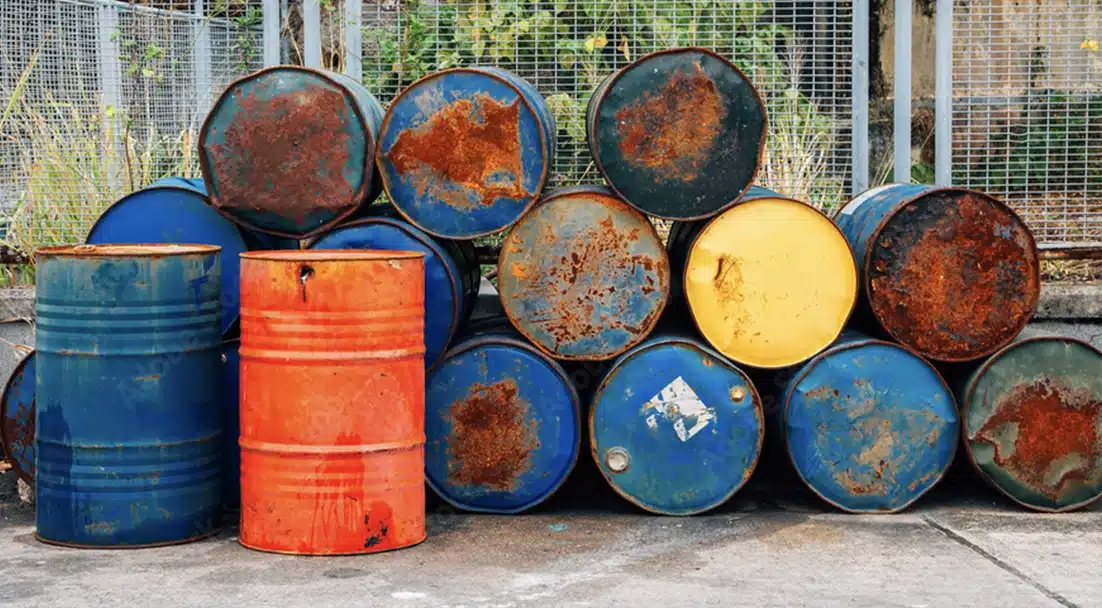
Send a profile, an old manifest, or photographs of the drums. A technical professional will tell you what you are holding.
This page summarizes federal requirements and is not legal advice. State programs can be more stringent than the federal baseline. Verify against current federal and state regulations before acting. Last reviewed September 2026.